Optimize Your Sleep Space
Your bedroom environment directly influences sleep onset and quality. Learn how to adjust temperature, light, sound, and comfort to support natural sleep.
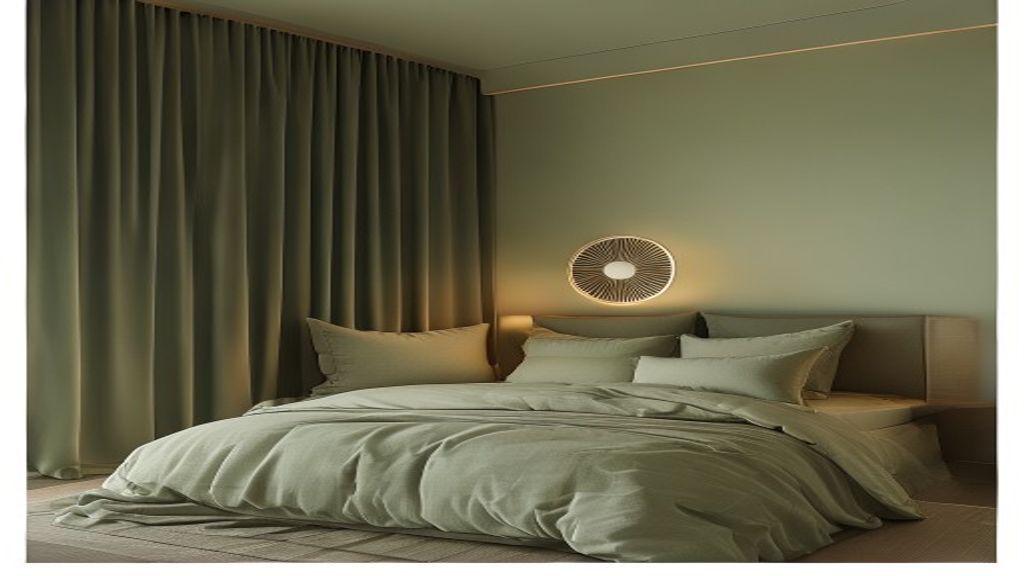
Your bedroom environment directly influences sleep onset and quality. Learn how to adjust temperature, light, sound, and comfort to support natural sleep.
Cooler rooms promote sleep. Aim for 60–67°F (15–19°C). Your body naturally cools before sleep; a cool environment supports this biological shift.
Light suppresses melatonin. Near-total darkness (under 5 lux) is optimal. Blackout curtains, eye masks, and removing light sources help.
Silence is ideal, but consistent, low-volume sound (white noise, nature sounds) masks disruptive noises. Sudden changes disrupt sleep more than steady sound.
Supportive mattress, comfortable pillows, and breathable bedding matter. Comfort is personal; test what feels right for you.
Reserve your bedroom primarily for sleep and intimacy. Working, scrolling, or eating in bed creates mental associations that interfere with sleep.
Temperature is one of the most powerful sleep levers. Your core body temperature naturally drops before sleep; a cool bedroom facilitates this.
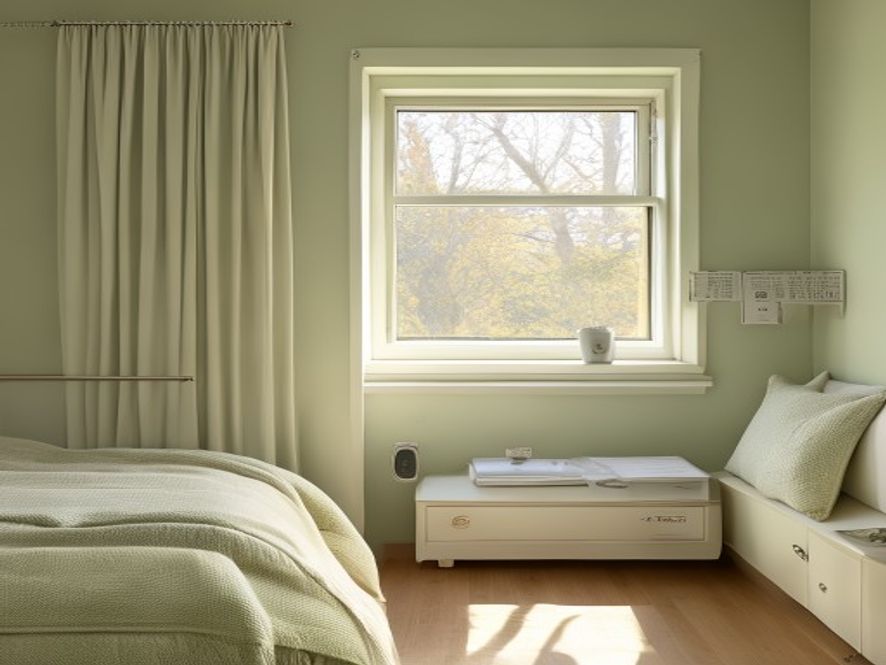
Even small amounts of light—from alarm clocks, phone indicators, or streetlights—suppress melatonin production and fragment sleep. Darkness is not optional; it's a core mechanism.
Blackout curtains: Heavy-weight curtains block 95%+ of light. Eye mask: Portable, immediate darkness, useful while traveling. Remove light sources: Cover LED indicators, move clock out of view, silence phone notifications.
Conversely, bright morning light (especially sunlight) sets your circadian rhythm. Exposure to bright light within 30 minutes of waking supports alertness and better evening sleep. Open curtains or take a brief outdoor walk in the morning.
Blue-light screens suppress melatonin. Reduce screen time 1–2 hours before bed. Use blue-light filters or blue-light glasses if screen use is unavoidable. Dim bedroom lights starting 1–2 hours before sleep.
The goal is consistency—silence or predictable, steady sound. Sudden changes are more disruptive than expected noise.
Earplugs (wax, foam, or musician-grade) reduce external noise by 20–33 decibels. Combined with a quiet room, this creates ideal conditions for light sleepers.
A consistent, broadband sound (fan, white-noise machine, or app) masks variable noises. The brain habituates—it stops "hearing" the white noise but wakes at sudden changes.
Low-volume rain, ocean waves, or forest ambience can be more pleasant than white noise for some people. Choose a looping track to avoid sudden silence or startling sounds.
Classical, lo-fi, or ambient music at low volume may help. Avoid upbeat or lyric-heavy music, which can stimulate alertness. Loop the same playlist for consistency.
Replace mattress every 7–10 years. Pillows every 1–2 years. Use breathable, natural-fiber sheets when possible. Find what's comfortable for you (personal preference matters).
Set thermostat to 60–67°F. Use a programmable thermostat to cool the room 30 minutes before bedtime. Layer bedding for flexibility.
Install blackout curtains. Use an eye mask if needed. Cover or remove all light sources (alarm clocks, chargers, indicators). Darkness is non-negotiable for melatonin production.
Reduce disruptive noise with earplugs or white-noise machines. Choose consistency over silence; your brain adapts to predictable sound.
Keep bedroom primarily for sleep and intimacy. Avoid eating, working, or heavy screen use in bed. This strengthens the mental association between bedroom and sleep.
Lavender, cedarwood, or other calming scents may help some people (research is mixed). Use diffusers consistently; avoid overpowering fragrances that might irritate sleep.
| Challenge | Possible Causes | Adjustments to Try |
|---|---|---|
| Overheating | Room too warm, heavy blankets, poor airflow | Lower thermostat, switch to lighter sheets, use fan, crack window slightly |
| Waking from Noise | Inconsistent external sounds (traffic, pets, partner) | Earplugs, white noise machine, soundproofing, discuss sleep separation with partner if needed |
| Light Waking | Bedroom not dark enough, early morning light | Blackout curtains, eye mask, cover light sources, use alarm without LED display |
| Discomfort | Poor mattress support, inadequate pillows, restless partner | Replace mattress/pillows, test different firmness levels, consider separate beds |
| Stiffness Upon Waking | Unsupportive mattress, poor pillow alignment | Invest in quality mattress, use memory foam or contour pillow, test different heights |
Optimizing your sleep environment is one of the highest-leverage changes you can make. Start with 1–2 adjustments (e.g., temperature + darkness), track your sleep quality for 2 weeks, then add others.
If you want personalized guidance on your specific space and constraints, our consultants can help you design a tailored approach.
Book a Consultation